Blog

  • Can the Judiciary Stay Truly Independent in Indian Politics?

    What is independent judiciary ?

    An independent judicial system refers to a judicial system which can take decision solely based on facts and the law. Without any improper influence, inducements, pressure, threats or interferences from any organisation. This means that other branches of government the executive and legislature should not restrain the functioning of Judiciary or interfere with the decision.

    Can the Judiciary Stay Truly Independent in Indian Politics?

    In democratic country like India. Independence of judiciary is not just a constitutional principle it’s a safeguard against the misuse of political power. The makers of the constitution designed it in a way that the judiciary system of India should be independent on it’s own. The court is a neutral arbiter that would protect the right of citizen and uphold the rule of law, even when it’s going against the will of executive and legislature. But in recent days the question has emerged. Is the judiciary still free from political pressure? or the line between the law and politics has started to vanish.

    Separation of power: theory vs reality

    During the making of constitution the drafting committee designed it in a way that the power should not be handed to one branch. Instead there should be sepration of power and each branch should be assigned a role and should limit the power. The whole point of this was that there is be no misuse of power.

    The doctrine of separation of power is a foundational principle in constitutional democracies. The idea is simple yet powerful:

    • Legislature makes the Law
    • Executive enforces the Law
    • Judiciary interprets the law

    This distribution is meant to prevent the concentration of the power in any one branch and create a system and create a system of check and balances.

    • Article 50 of Indian constitution directs the separation of judiciary from executive.
    • Judges are appointed through the collegium system and have security of tenure.
    • Judges salary are charged from the consolidated fund of India, insulating them from the political budgetary pressures.

    What are the challenges of judicial independence?

    • There have been increasing concerns over executive influence in the appointment, transfer and the removal of judges, which can compromise independence of judiciary.
    • The current collegium system is criticized for not being transparent to the citizens, the appointment of judges are questioned.
    • Direct or indirect efforts to bribe. Examples includes allegations of bribery in Judicial appointments or decisions, and irregular land allotments.

    Many more things like internal biasness and favouritism, media and social pressure hinder the Judicial independence.

    Some Historical cases of Judicial independence challenges:

    • Kesavananda Bharati vs State of Kerala (1973, India)
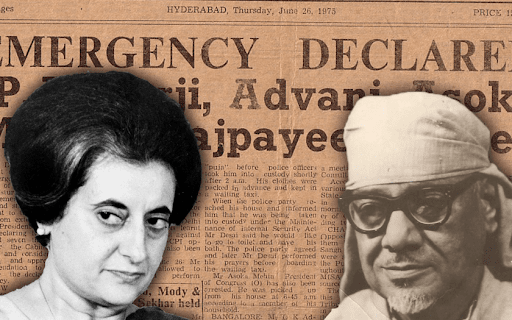
    • Indira Gandhi vs  Raj Narain & The Emergency (1975, India)
    • SR Bommal vs Union of India (1994, India)
  • All About the Indus Waters Treaty Explained.

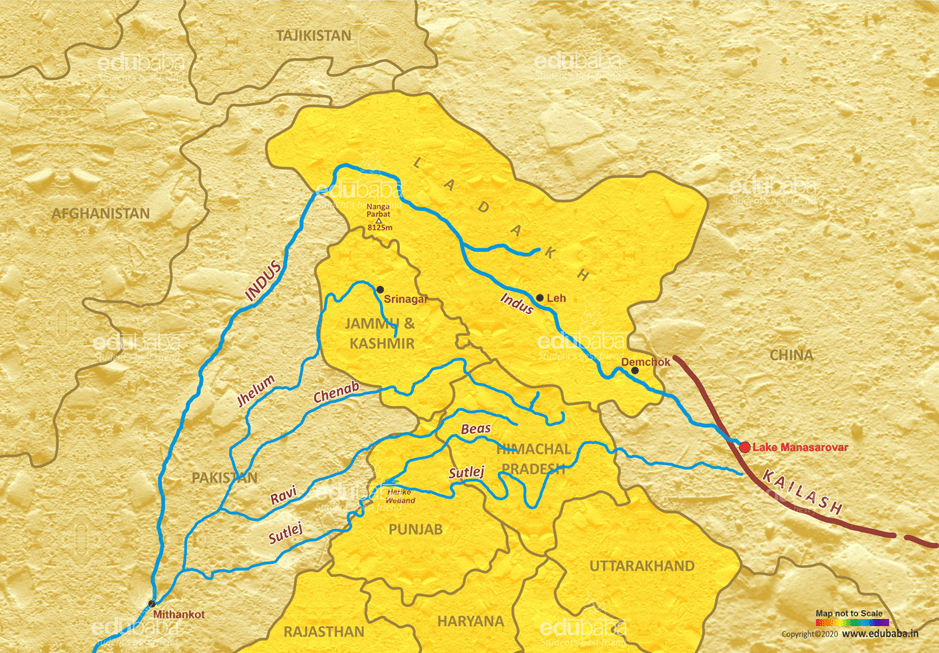
    Indus water treaty was signed by Late Indian prime minister Jawaharlal Nehru and Pakistan’s president  Ayub Khan. It was signed on  September 19, 1960 in Karachi. Which was  mediated by “The World Bank”.

    WHY WAS IT NEEDED!?

    After the partition of India in 1947. The indus water system which flows through both India and Pakistan, became a sourse of conflict. Pak being downstream was feared that India being Upstream could block it’s water supply. To avoid this conflictlike wars and fair sharing, both nation agreed to sign the treaty.

    INDUS WATER SYSTEM CONSIST:

    The Indus system includes six rivers. Those are divided into two parts which are “Eastern Rivers” and “Western Rivers”.

    Eastern Rivers: Ravi, Beas, Sutlej.

    Western Rivers: Indus, Jhelum, Chenab.

    HOW WAS THE WATER DIVIDED?

    Pakistan got the western rivers(indus, jhelum, chenab). India can use them for limited purpose like irrigation, storage and power plants. But can’t divert the flow of water and obstruct it.

    India got the eastern rivers(ravi, sutlej, beas). On which India has full control and can use it for any purpose they want.

    AS NOW WE HAVE UNDERSTAND THE TREATY LETS GET TO KNOW HOW SUSPENDING THE TREATY WILL AFFECT PAKISTAN AND WHY WAS THE TREATY SUSPENDED BY INDIA.

    On April 22, 2025 following the deadly terrorist attack in Jammu and Kashmir’s Pahalgham. Which caused death of 26 civillians specifically “HINDUS”. Due to this terror infra of Pak. India decided to suspend the INDUS WATER TREATY.

    This is a big step by modi government because if the treaty stays suspended it could affect pak at a huge level. HOW ??

    About 80% of Pakistan’s irrigated land depends on the Indus River system, especially the Western Rivers (Indus, Jhelum, Chenab).

    Which will affect the economy so bad which can lead to people dying without food and water because most of the agriculture of pakistan was dependent on the Indus water system.

    Urban areas like Lahore, Islamabad, and Karachi rely on river-fed water systems.

    Less water means provinces like Sindh, Punjab, and Balochistan may start blaming each other.

    This can lead to civil protest, political instability, pressure on the central government.

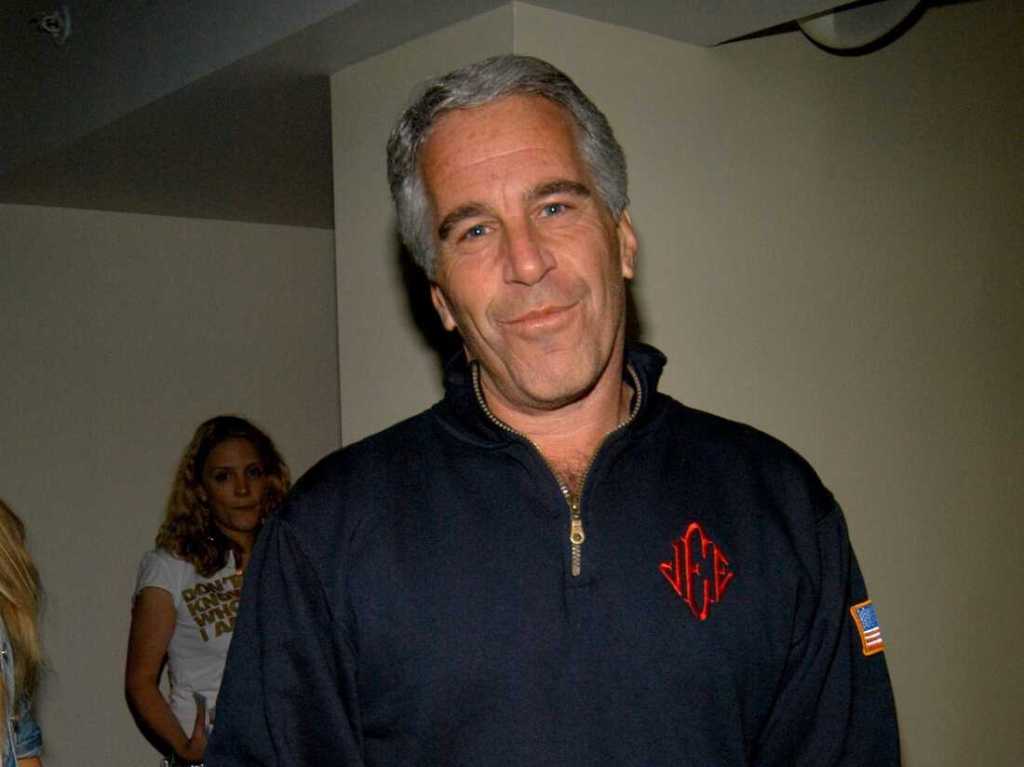
  • Who was Jeffrey Epstein ?

    He started his career as a school teacher. But it didn’t took him long to move into investment banking, later in 1982 he started his own firm.

    By the 1990 he managed to accumulate estates and apartments in several countries. Also he owned a private island. And got connected to many powerful and wealthiest people in the world. Those includes Prince Andrew, Former president of United States Bill Clinton, and Donald Trump.

    Epstein was arrested on July 6, 2019, on federal charges for the sex trafficking of minors in Florida and New York.

    He died in his jail cell. After medical examination it was found that his death was a suicide by hanging.